
ChatGPT Dots Can Now Text You First
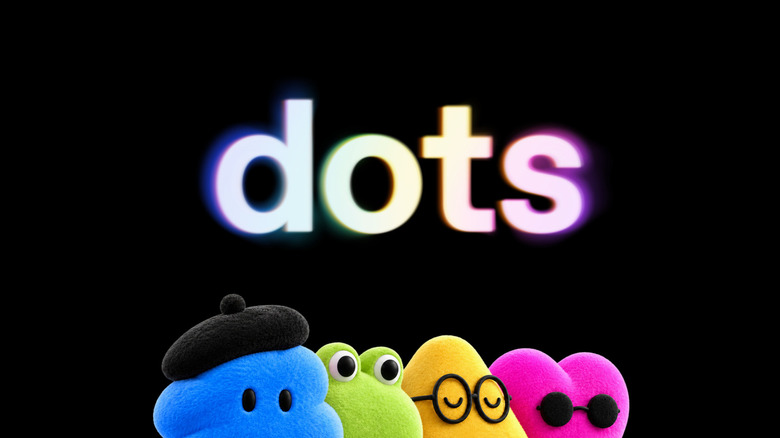
ChatGPT Dots Can Now Text You First
OpenAI's always-on agents just moved out of the ChatGPT app and into your messages. The catch: it's US-only, Pro-only, and your texts aren't end-to-end encrypted.
OpenAI announced on October 28 that its Dot agents — the always-on AI assistants it launched on September 29 — can now reach you by text. If you're a ChatGPT Pro subscriber in the US, your Dot can message you over iMessage on iPhone or RCS, the modern replacement for SMS, on Android.
The big shift isn't that you can text an AI. It's that the AI can text you. A Dot is built to work on your goals in the background, so a text thread fits it better than an app you have to remember to open. It can ping you when a price drops, a task finishes, or something you're tracking changes.
How it actually works
Setup takes a minute. Open your Dot's profile inside ChatGPT, choose Texting, and verify your phone number. On iPhone you need iMessage switched on; on Android you need RCS enabled in your messaging app. Plain old SMS doesn't work.
Once it's on, you can hand your Dot a task by text, photo, or voice note — no ChatGPT app required. It keeps the same memory and plugins across the app and the text thread, so a conversation you started in ChatGPT carries on in Messages. And you can tell it to text you only when something is urgent, keeping routine updates inside the app.
There are limits. It's one-to-one only: no group chats, no calls, no FaceTime through texting. If a task needs your approval, the Dot sends a link so you can review it in the app. And only you can text your Dot — nobody else can message it, and it can't message anyone but you.
The privacy catch you should know about
Here's the part OpenAI is being upfront about, and you should still read twice. The texts run through a third-party messaging provider called Linq, which means the conversation is not end-to-end encrypted — even on iMessage or RCS, which normally are. OpenAI says it ran extensive penetration testing with its own models and outside security firms, but the messages still pass through a middleman before reaching OpenAI's servers, and they land in your Dot's conversation history.
OpenAI is also clear that turning texting on does not give your Dot or OpenAI access to your other text conversations. That's a meaningful line, and it's worth holding them to: the Dot sees only its own thread with you.
Rule of thumb: don't text your Dot anything you wouldn't paste into a chatbot — no passport scans, no banking details, no passwords. The convenience is real, but so is the middleman.
Why this matters beyond one feature
Texting is the front door OpenAI promised at launch, and it changes what a Dot is. Inside the ChatGPT app, a Dot is a tool you visit. In your messages, it's a contact — one that can reach out first. That's a much bigger claim on your attention, and it's exactly where the personal-agent race is heading.
Anthropic joined the race last week with Claude Duet, its own always-on agent, though Duet currently needs a US waitlist and lives in its own app rather than your messages. OpenAI's move is the opposite bet: meet people where they already are. Early users are already pushing it further — one post this week showed Dots connecting through Beeper, a third-party messaging hub, alongside xAI's Grok Bot.
For now, though, this is a feature for the few, not the many. Dots aren't on the $20 Plus plan at all, and Pro costs $100 a month. Most people reading this can't try it yet — which is fine, because the first version of any agent that can message you unprompted deserves some watching before it deserves your trust.
If you do have Pro and you're in the US, the setup is genuinely a minute's work, and the urgent-only setting is the one to turn on first. Let it prove it's useful before you let it be chatty. The agents that win this race won't be the ones that text the most — they'll be the ones you actually want to hear from.
Sources: Engadget, Digital Trends, Techstrong.ai, AndroidPure
