California $800 LLC Fee: When Out-of-State LLCs Owe It
Forming in Delaware or Wyoming does not keep you out of California's tax. Manage the LLC from California, or sell enough there, and it owes $800 a year.
Saksham Dogra 9 min read
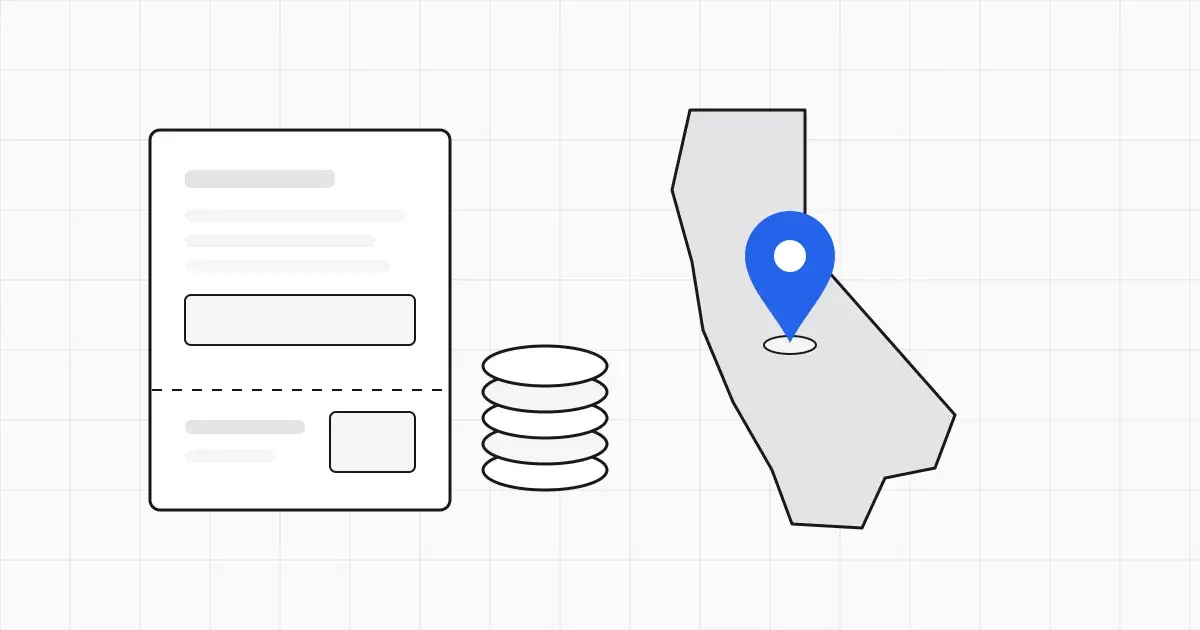
Yes, a Delaware, Wyoming or other out-of-state LLC can owe California’s $800 annual LLC tax. It owes it if it is registered with the California Secretary of State or is “doing business” in California under Franchise Tax Board (FTB) rules. For a Canadian or Australian founder running a US LLC from home, with no people and no office in California, the usual answer is no. It flips to yes when the business is managed from California, someone works for it there, or California sales, property or payroll pass the annual tests.
This guide walks through each test using FTB’s own pages (checked 31 Oct 2026), then the extra LLC fee, the due dates and the penalties. To run your own facts, use the free California $800 LLC Tax Checker.
This is general information, not tax or legal advice. Confirm with a CPA for your situation.
Who owes the $800: the three triggers
FTB’s LLC page is blunt: “Every LLC that is doing business or organized in California must pay an annual tax of $800,” and the tax keeps coming “even if you are not conducting business, until you cancel your LLC” (FTB). The 2026 form FTB 3522 instructions list three cases (FTB 3522):
- The LLC’s articles of organization were accepted by the California Secretary of State (a California LLC).
- The LLC holds a certificate of registration from the Secretary of State (a foreign LLC that registered).
- The LLC is doing business in California.
The first two are paperwork you would know about. The third is the one that catches out-of-state LLCs, because no filing is needed to trigger it.
The doing-business tests
FTB treats you as doing business in California if you meet any one of these (FTB):
- You engage in any transaction for financial gain within California.
- You are organized or commercially domiciled in California.
- Your California sales, property or payroll exceed the annual thresholds.
FTB’s Form 568 booklet adds the rule that matters most for small LLCs: “Regardless of where the trade or business of the LLC is primarily conducted, an LLC is considered to be doing business in California if any of its members, managers, or other agents are conducting business in California on behalf of the LLC” (2025 Form 568 booklet).
Commercial domicile
To be commercially domiciled in California “generally means that this state is the principal place from which the trade or business of the entity is directed or managed” (FTB Pub 1060). If you live in San Diego and run a Wyoming LLC from your kitchen, this test is met on day one.
The sales, property and payroll thresholds
The thresholds rise with inflation each year. Each test is met when the California amount exceeds either the dollar figure or 25% of the LLC’s total, whichever is lower.
| Tax year | California sales exceed | California property exceeds | California payroll exceeds |
|---|---|---|---|
| 2025 | $757,070 | $75,707 | $75,707 |
| 2024 | $735,019 | $73,502 | $73,502 |
| 2023 | $711,538 | $71,154 | $71,154 |
Source: FTB, Doing business in California, checked 31 Oct 2026. The page was last updated 11/07/2025 and lists amounts only through 2025, so the 2026 figures were not yet published when we checked. Expect them to be slightly higher.
Two details trip people up:
- The 25% test. FTB’s own example: an out-of-state company with $1,000,000 of total sales, $400,000 of them to California customers, is doing business in California because 40% beats 25%, even though $400,000 is below the dollar threshold (FTB examples).
- Services. FTB says you may have California-source income if you “perform a service to customers who received the benefit of that service in California” (FTB LLC page). A consultancy with mostly California clients should count those sales.
Below the thresholds is not a safe harbor
FTB states that a business with less than the threshold amounts “can still be doing business” if it actively engages in a transaction in California for profit. Its example: an out-of-state partnership whose employees work from home in California, selling to California customers, is doing business there even though property, payroll and sales are all under the thresholds (FTB examples). One remote employee or contractor in California acting for your LLC deserves a proper look.
Decision table for non-resident founders
| Your situation | Likely doing business in CA? | Why |
|---|---|---|
| Canadian or Australian owner, runs the LLC from home, a few US customers in California | Likely no | No people or management in CA; sales below the lower of $757,070 or 25% |
| Same owner, but 30% of sales go to California customers | Likely yes | California sales exceed 25% of total sales |
| Owner moves to California, or a co-founder or manager lives there and works on the business | Likely yes | Commercial domicile, or a member or manager conducting business in CA |
| Contractor or employee in California selling or servicing for the LLC | Likely yes, even under thresholds | FTB’s own remote-employee example |
| LLC registered with the California Secretary of State “just in case” | Yes, owes $800 | Registration alone triggers the tax |
| Sells physical goods into California, nothing else there | Check carefully | Public Law 86-272 can protect income taxes, but FTB says such entities “still may be considered to be doing business” and liable for applicable amounts |
Who should not rely on a “likely no”: anyone with a California-based co-founder, manager or contractor, anyone whose California share of sales is near 25%, and anyone who already registered in California. Those cases need a California CPA.
How much it costs: the $800 plus the LLC fee
The $800 is a flat minimum. If the LLC’s total California income reaches $250,000, it also owes an LLC fee (FTB):
| Total California income | LLC fee | Total with the $800 tax |
|---|---|---|
| Under $250,000 | $0 | $800 |
| $250,000 to $499,999 | $900 | $1,700 |
| $500,000 to $999,999 | $2,500 | $3,300 |
| $1,000,000 to $4,999,999 | $6,000 | $6,800 |
| $5,000,000 or more | $11,790 | $12,590 |
Amounts as of October 2026. For the fee, “total income” means gross income plus cost of goods sold attributable to California, assigned using California’s sales-sourcing rules (2025 Form 568 booklet). It is a gross figure, so an LLC can owe the fee in a year it makes no profit.
Worked example
A single-member Wyoming LLC owned by a founder in Melbourne sells software subscriptions. In 2025 it had $900,000 of total sales, $280,000 of them to California customers, no property and no payroll anywhere in California.
- Sales test: 25% of $900,000 is $225,000. That is lower than $757,070, so it is the bar. $280,000 exceeds $225,000, so the LLC is doing business in California.
- Annual tax: $800.
- LLC fee: total California income of about $280,000 falls in the $250,000 to $499,999 tier: $900.
- Total to California for 2025: $800 + $900 = $1,700, before any income tax on the owner.
If California sales had been $200,000 instead, 200,000 ÷ 900,000 = 22%, under both tests, and (with no people or management in California) the answer would likely be no. Plug your own numbers into the checker.
Due dates
For a calendar-year LLC in 2026 (FTB 3522, FTB 3536, Form 568 booklet):
| What | Form | Due (calendar year) |
|---|---|---|
| $800 annual tax | FTB 3522 or Web Pay | April 15, 2026 (15th day of the 4th month) |
| Estimated LLC fee, if California income is $250,000+ | FTB 3536 | June 15, 2026 (15th day of the 6th month) |
| Return and any unpaid fee, multi-member LLC taxed as a partnership | Form 568 | 15th day of the 3rd month after year end (March 15, 2027) |
| Return, single-member LLC owned by an individual | Form 568 | 15th day of the 4th month after the owner’s year end (April 15, 2027) |
When a due date falls on a weekend or holiday, it moves to the next business day. In the first year, the $800 is due by the 15th day of the 4th month after the LLC files with the Secretary of State (FTB). For a foreign LLC whose 4th-month date has already passed when it starts doing business in California or registers, FTB says to pay “immediately after commencing business or registering” (FTB 3522).
The first-year exemption you may have read about is gone: it only covered tax years beginning on or after January 1, 2021 and before January 1, 2024 (FTB).
Registering a foreign LLC in California
An LLC formed elsewhere must register with the Secretary of State before entering into intrastate business in California (Form 568 booklet). That is Form LLC-5, with a $70 filing fee and a current certificate of good standing from the home state (SOS LLC-5). Once registered, the LLC owes the $800 every year until it cancels, and must keep filing its Statement of Information, which carries a $250 penalty if missed (FTB).
If you are not doing business in California, do not register just to be safe: registration itself creates the $800 bill.
Penalties
| Problem | Penalty | Source |
|---|---|---|
| Doing business while unregistered, suspended or forfeited | $2,000 | 568 booklet |
| Late payment of the $800 or the fee | 5% of the unpaid amount plus 0.5% a month, up to 40 months | FTB penalties |
| Form 568 filed after the extended due date | 5% of unpaid tax per month, capped at 25% | 568 booklet |
| Form 568 late or incomplete | $18 × number of members × months, up to 12 months | 568 booklet |
| Estimated fee underpaid | 10% of the shortfall, unless you paid at least last year’s fee on time | FTB 3536 |
| Missed Statement of Information (registered LLCs) | $250 | FTB |
Interest runs on top. The bigger risk is legal: if an LLC does not file or pay, a foreign LLC’s powers, rights and privileges in California can be forfeited, and contracts it signs during forfeiture are voidable at the other party’s request (568 booklet).
What if you are not doing business in California?
A single-member, unregistered foreign LLC that is disregarded for tax and not doing business in California “need not file Form 565 or Form 568.” A multi-member LLC in the same position that still has California-source income files Form 565, the partnership return, instead (568 booklet). Neither owes the $800.
That is the common case for founders who set up a US LLC from abroad, covered in our guides to a US LLC for non-residents, US LLCs for Canadians and US companies for Australian founders. Your federal filings, such as Form 5472 for a foreign-owned LLC, apply either way.
The home-state trap
The most expensive mistake runs the other way. A founder who lives in California and forms in Wyoming or Delaware to save money still pays California’s $800, because a member conducting business in California makes the LLC “doing business” there. They then pay two states’ fees and two registered agents. Our Delaware vs Wyoming comparison prices that out. If you are moving to California, plan for the $800 from the year you arrive.
Quick checklist
- Not registered in California, nobody working for the LLC there, not managed from there, California sales well under 25% of the total: likely no $800.
- Any one of those changes: run the California $800 LLC Tax Checker and talk to a California CPA before April 15.
- Over $250,000 of California income: budget for the LLC fee and estimate it by June 15.
More guides on forming and running a US entity from abroad are in the US company setup hub.
Frequently asked questions
Does a Delaware LLC have to pay California's $800 tax?
What counts as doing business in California for an LLC?
Can I avoid the California LLC tax by forming in Wyoming?
When is the $800 California LLC tax due?
Is there still a first-year exemption from the $800 tax?
What happens if an out-of-state LLC ignores California?
Sources
- 1. FTB: Doing business in California (thresholds by year) ftb.ca.gov
- 2. FTB: Help with doing business in California (examples) ftb.ca.gov
- 3. FTB: Limited liability company (annual tax, LLC fee, filing) ftb.ca.gov
- 4. FTB: 2025 Form 568 Limited Liability Company Tax Booklet ftb.ca.gov
- 5. FTB: 2026 Form 3522 LLC Tax Voucher and instructions ftb.ca.gov
- 6. FTB: 2026 Form 3536 Estimated Fee for LLCs and instructions ftb.ca.gov
- 7. FTB: Penalties and interest ftb.ca.gov
- 8. FTB Publication 1060: Guide for corporations starting business in California ftb.ca.gov
- 9. California Secretary of State: Form LLC-5 (foreign LLC registration) bpd.cdn.sos.ca.gov
Founder, unboxth
Saksham Dogra is the founder of unboxth. He writes founder to founder about building an AI startup from anywhere: company setup, costs, tools and fundraising.